Next to Lien Chieu Port & Vietnam’s first Free Trade Zone. Dual investment value: living & business. A new growth engine for Da Nang’s future.
Free Trade Zones: an engine of economic growth
Put simply, a Free Trade Zone (FTZ) can be seen as an 'economic oasis' within a country. Inside an FTZ, goods can be imported, manufactured, assembled and re-exported under preferential tax rules and streamlined procedures. Thanks to this unique mechanism, FTZs act as a powerful 'magnet' for international capital and open up opportunities for economic, social and urban development.
Shenzhen makes the point vividly. When Shenzhen first adopted free-trade policies in 1980, its GDP was just USD 270 million. Some forty years on, by 2023, GDP had surpassed USD 475 billion — a near 1,800-fold increase. Once a small fishing village, Shenzhen has grown into a global tech hub home to leading firms such as Huawei and Tencent, earning it the title 'Silicon Valley of Asia.'
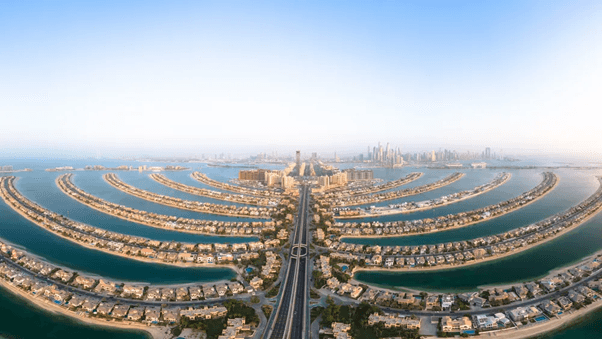
Dubai's rapid rise, powered by the Jebel Ali Free Zone
Dubai is just as impressive. Established in 1985, the Jebel Ali Free Zone began with just 19 companies; today it hosts more than 11,000 businesses from 157 countries and employs over 160,000 people. By 2024, the zone is expected to contribute AED 713 billion to non-oil trade, accounting for 36% of Dubai's GDP — a striking testament to the FTZ model's power to transform an economy once dependent on oil.
Singapore is another standout case. With few natural resources, the country leveraged its port to build free-trade zones — turning a small island nation into one of the world's premier cargo gateways. Singapore's success rests not only on logistics but also on the creation of a transparent and stable business environment. Its per-capita GDP exceeds USD 80,000, among the highest in the world.
What all of these free-trade zones share is easy to spot: synchronized infrastructure investment, modern logistics, and excellent legal frameworks. Once running, they trigger a powerful chain reaction — rapid economic growth, a more dynamic social life, rising property values and remarkable development of surrounding urban districts.
Da Nang: Vietnam's first free trade zone
On June 16, 2025, the Prime Minister signed a decision establishing Vietnam's first free trade zone in Da Nang. This is widely regarded as a historic turning point opening an entirely new chapter for the city by the Han River.
Da Nang was chosen for three key reasons. Geographically, the city has the Lien Chieu deep-water port, planned to handle vessels of up to 200,000 DWT, positioning it as the most important gateway on the East–West Economic Corridor. Time-wise, the post-pandemic reshuffling of global supply chains opens major opportunities for Da Nang's strengths in high-tech and semiconductor industries.
Outlook for the Da Nang International Financial Center
The FTZ's impact will show up not only in economic indicators but also in the transformation of the urban landscape. Lien Chieu — home to Lien Chieu Port — will be reshaped into an international logistics hub with smart warehouses, advanced factories and a modern transport system. It will absorb billions of US dollars in FDI each year and welcome between 50,000 and 70,000 workers, including foreign experts, engineers and managers from many countries.
These changes will undoubtedly bring fresh demand for social infrastructure. High-quality housing, international offices, bilingual schools, modern hospitals, commercial centers and urban services will all be developed in parallel. Lien Chieu will transform from a traditional industrial park into a modern, dynamic international port city.
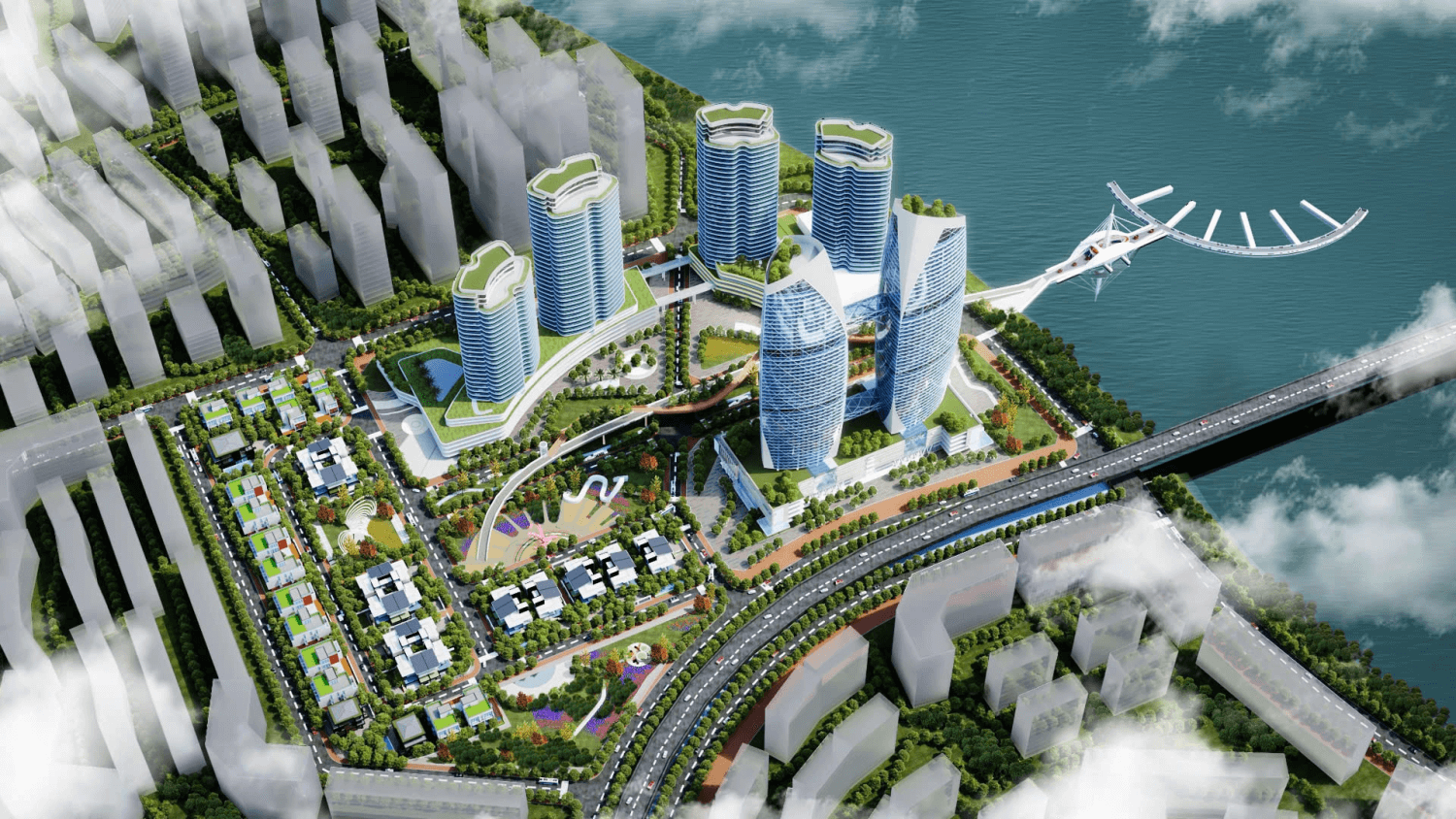
In this context, well-planned urban districts will become the focal points reaping the rewards of the FTZ boom. Lumia Da Nang is a prime example. Sitting on the extension of Nguyen Tat Thanh Street, the project links directly within just a few minutes to Lien Chieu Port and the heart of the FTZ. Spanning roughly 70 hectares, Lumia is developed as a closed eco-urban model with about 30 modern facilities meeting every need — living, working, entertainment and commerce.
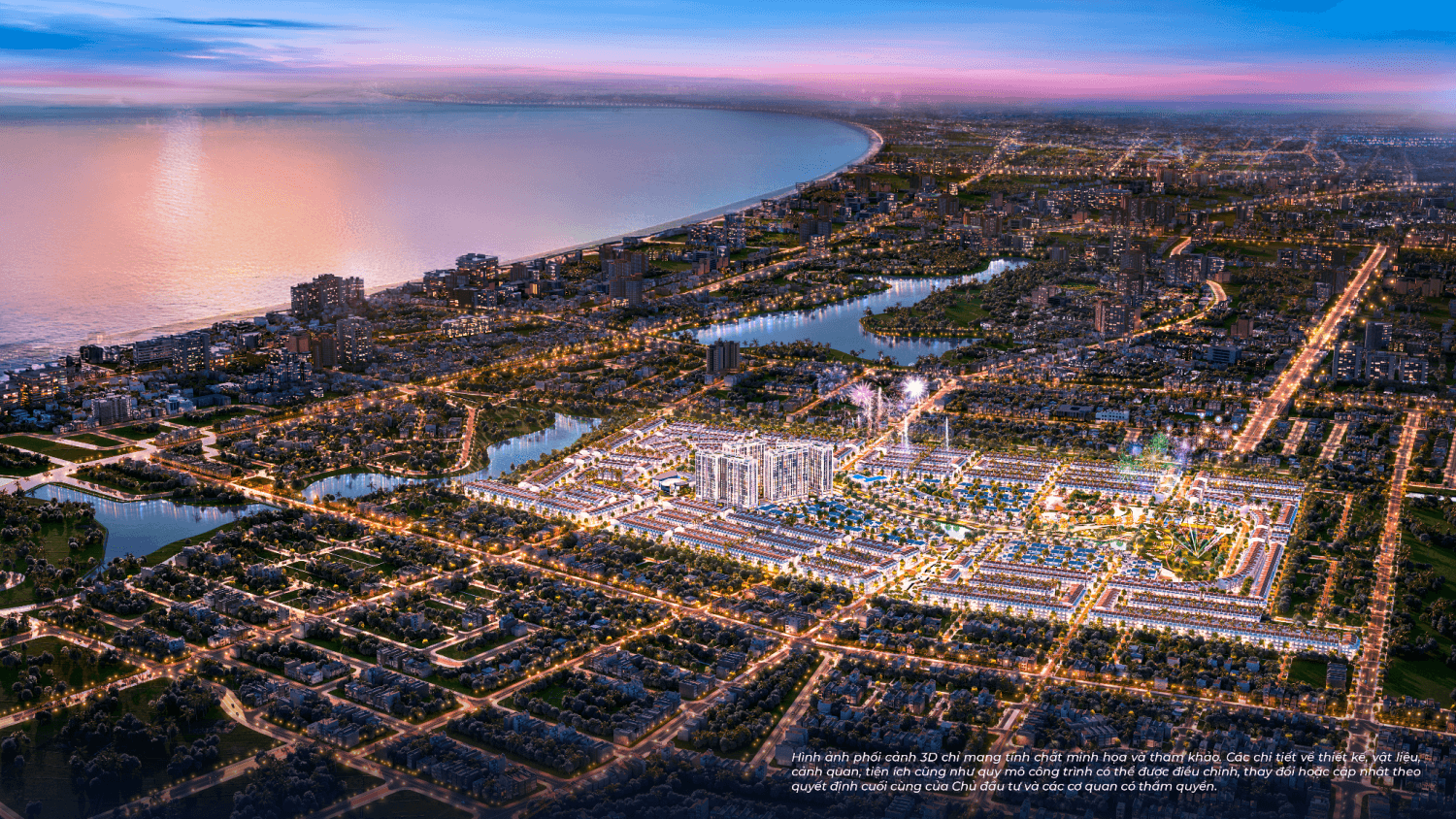
The Lumia Da Nang project sits adjacent to the widened Nguyen Tat Thanh Street, with direct connections to Lien Chieu international port, the FTZ and the city center.
What sets Lumia Da Nang apart most is its dual investment value. It is not only an ideal place to live, but also a flexible asset that can be used for rental, offices, retail or short-stay tourism. As the wave of international experts heading to Da Nang grows, the project's utility value rises further — turning Da Nang property into a sustainable income-generating instrument.
Only investors who spot trends early — guided by a strategic vision — will reap the biggest rewards in the future. With its strategic location and modern design, Lumia Da Nang is more than qualified to be the pivot of a breakthrough transformation, helping Da Nang rise to become Vietnam's most livable city within the next decade.
Want a deeper market briefing?
Our research desk publishes a 40-page quarterly Vietnam Real Estate Brief. Free for qualified investors.
Request the briefMore articles
All news Indochine News
Gladia Heights: What Foreign Buyers Should Check Before Investing in Vo Chi Cong Binh Trung Thu Duc City
Updated: June 2026 Yes, foreigners can legally purchase and own residential apartments at Gladia Heights in Thu Duc City for a 50-year term, which is renewab
Read article Market News
Why Eastern Ho Chi Minh City real estate is so in demand
Metro extensions, the Thu Thiem new urban area and ring-road completions are turning HCMC East into the most investable submarket for foreign buyers.
Read article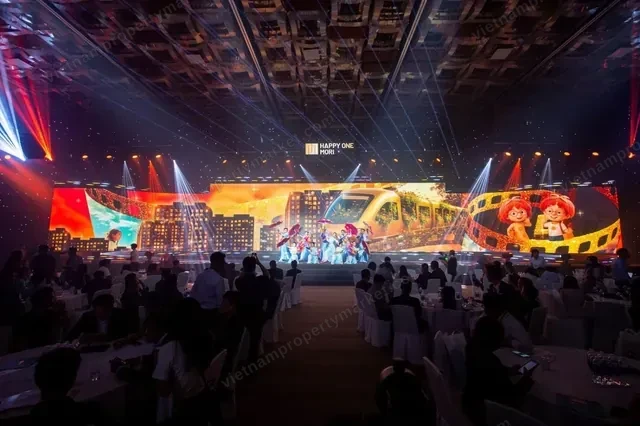 Indochine News
INDOCHINE achieves major success as northern master distributor of Happy One Mori
Happy One Mori books 98% sell-out — confirming INDOCHINE's foothold in the North on the back of strong end-user demand and clear value.
Read articleThe essentials every foreign buyer should read before reserving.