
Can foreigners own real estate in Vietnam?
Many people ask, 'Can foreigners buy land in Vietnam?'
The answer is yes. Vietnamese law does not allow foreigners to own land directly, but foreigners can invest in real estate attached to land through long-term land-lease arrangements. For example, apartments or villas within a project come with a long-term land lease guaranteed for several decades, so foreigners can legally purchase, use and even resell them.
What types of real estate can foreigners buy in Vietnam?
Foreigners can own real estate in Vietnam, but there are certain limits on the type of property and the length of ownership.
– Apartments:
Foreigners can generally buy apartments based on long-term land leases of 50–70 years.
– Landed property (houses & villas):
Foreigners cannot own land outright in Vietnam. However, they can purchase the building itself under a long-term land lease of up to 70 years, and may negotiate an extension with the landowner if needed.
– Industrial real estate:
Can foreigners buy commercial or industrial property in Vietnam? Yes — with some restrictions.
Foreign investors interested in Vietnam's fast-growing industrial sector can also purchase industrial buildings such as warehouses and factories. They cannot own the land, but they can own the building through a land-lease structure.
The Vietnamese government offers a variety of incentives in industrial parks to attract foreign investment, making this a potentially high-return investment option.
Restrictions when foreigners buy industrial real estate in Vietnam
There are several important nuances in Vietnam's regulations on foreign property ownership. Foreigners cannot own land directly, but they can lawfully own buildings constructed on leased land.
– Land-use rights (individual ownership):
Foreigners may buy apartments in designated commercial housing projects and are granted a 50-year ownership, with the possibility of applying for extension. Ownership is recorded in the Pink Book.
– Benefits through marriage:
Foreigners who marry a Vietnamese citizen can obtain permanent ownership rights and own property on the same terms as Vietnamese nationals.
– Company-name ownership:
Foreign-invested enterprises can own property for the duration their investment project remains valid; the specific ownership term is stated in the investment license.
– Foreign-buyer caps:
Foreigners may purchase within the following limits:
30% of a single apartment complex;
10% of a landed-housing project;
Up to 250 units in an area the size of a single ward.
If a foreigner inherits property in an area where foreign ownership is restricted, they cannot own it directly — they can only inherit its monetary value.
Foreign ownership of real estate is tied to a 50-year land-lease term. An extension may be applied for up to three months before expiry, during which time the owner can sell the property or transfer it by will. If an extension is not granted and the property is not sold, it reverts to state ownership.

How can foreigners buy real estate in Vietnam?
Foreigners can buy real estate in Vietnam — and that's good news. There are a few things to keep in mind, however. The purchase process is explained in more detail below.
Key factors to consider when buying industrial real estate in Vietnam
+ Location and accessibility:
Proximity to transport infrastructure is critical. An ideal location is close to expressways, ports or airports for efficient logistics. Securing a skilled workforce in the area is equally essential — being near a technical university or established industrial parks makes it easier to source labor.
+ Legal procedures and documents:
Foreign investors or companies that want to lease land for commercial, service or investment use must complete a number of procedures. These include submitting a formal land-lease application, securing an investment registration certificate, signing the land-lease contract and paying a deposit.
+ Operating and maintenance costs:
Beyond the initial purchase cost, foreign investors must factor in operating and maintenance expenses. These include property tax, waste-disposal fees, security costs, various utilities, and building maintenance or remodeling to meet production-facility requirements.
Procedure for buying industrial real estate in Vietnam
+ Survey and select the property:
Foreigners should carry out market research and select a suitable location based on transport connectivity, raw-material access and infrastructure. They should also assess whether the property aligns with development goals and complies with zoning regulations.
+ Sale negotiations with the developer:
Once a suitable property is found, negotiations with the developer begin. The Sale & Purchase Agreement (SPA) should be reviewed carefully to confirm that the developer's responsibilities, warranty clauses and obligations are clearly defined.
+ Contract notarization:
After signing the SPA, both parties must complete formal notarization at a Vietnamese notary office. This step is essential to give the contract legal effect. It is common for an interpreter to be present to ensure the foreign buyer's understanding.
Conclusion
We hope this article has given a clear answer to the question, 'Can foreigners own real estate in Vietnam?'
Vietnam's real estate market is highly attractive to foreign investors and offers a wide range of opportunities. As outlined above, foreigners can legally buy real estate in Vietnam under clear legal regulations, and the transaction process is transparent and runs smoothly.
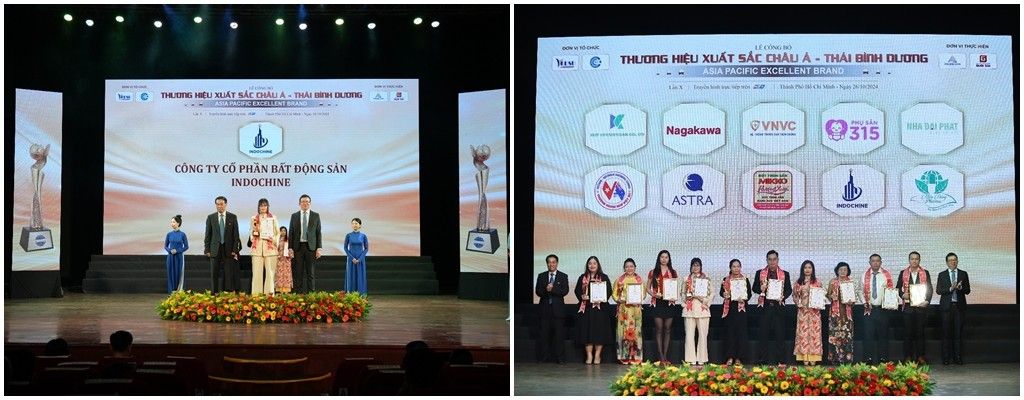
If you would like a deeper understanding of the complex laws around Vietnamese real estate — and industrial real estate in particular — INDOCHINE Real Estate's consulting team, fluent in English, Chinese, Korean and Japanese, is always ready to help. Contact us today to discuss the best solutions for your investment goals.
Frequently Asked Questions (FAQs)
How long can a foreigner own real estate in Vietnam?
Foreigners may own real estate for up to 50 years from the date the ownership certificate is issued.
Can the 50-year ownership period be extended?
Yes. After the initial 50 years, an extension can be applied for when the land-lease term expires.
Can a foreigner sell Vietnamese real estate?
Yes. A foreign owner can lawfully sell to either an overseas buyer or a Vietnamese buyer.
(If the buyer is Vietnamese and the property is of the 'permanent ownership' type, they may receive permanent ownership rights once again.)

Want a deeper market briefing?
Our research desk publishes a 40-page quarterly Vietnam Real Estate Brief. Free for qualified investors.
Request the briefMore articles
All news Indochine News
Gladia Heights: What Foreign Buyers Should Check Before Investing in Vo Chi Cong Binh Trung Thu Duc City
Updated: June 2026 Yes, foreigners can legally purchase and own residential apartments at Gladia Heights in Thu Duc City for a 50-year term, which is renewab
Read article Market News
Why Eastern Ho Chi Minh City real estate is so in demand
Metro extensions, the Thu Thiem new urban area and ring-road completions are turning HCMC East into the most investable submarket for foreign buyers.
Read article Indochine News
INDOCHINE achieves major success as northern master distributor of Happy One Mori
Happy One Mori books 98% sell-out — confirming INDOCHINE's foothold in the North on the back of strong end-user demand and clear value.
Read articleThe essentials every foreign buyer should read before reserving.